



Quick Summary A good Baby Jacket keeps your little one warm without causing overheating, itching or discomfort. The right choice depends on fabric, fit, fastenings, safety and the weather where you live. Look for soft, breathable fabric, a snug but flexible fit, easy zippers and no loose cords or small buttons. Layering works better than one thick coat. Always choose the right size, and never use a bulky jacket under a car seat harness. This guide explains how to pick the right jacket for each age, which materials work best, common mistakes parents make, how to care for the jacket and what retailers or bulk buyers should check before ordering. It is useful for parents, gift buyers and retailers.
Table of Contents
- Why the Right Baby Jacket Matters
- Types of Baby Jackets
- Best Fabrics for Baby Jackets
- How to Choose the Right Size and Fit
- Safety Features to Look For
- Choosing by Age and Weather
- Common Mistakes Parents Make
- How to Layer Your Baby in Winter
- A Note for Retailers and Bulk Buyers
- Conclusion
- Frequently Asked Questions
Why the Right Baby Jacket Matters

Babies lose body heat faster than adults. Their skin is thin, their bodies are small, and they cannot move around much to stay warm. A proper Baby Jacket protects them from cold winds and sudden temperature drops, especially when you step out of the house.
But warmth is only one side of the story. A jacket that is too tight can restrict movement. One that is too thick can make the baby sweat and feel cranky. A rough fabric can irritate delicate skin. This is why parents need to look beyond colour and cartoon prints. The right choice keeps your baby comfortable, safe and happy, which makes your own day easier too.
Types of Baby Jackets
The market offers many styles. Knowing the basic types helps you pick the right one for your baby’s age and your daily routine.
For very young infants, a Newborn Baby Jacket should be extra soft and light, with a gentle fit around the neck and arms. Many parents prefer front-open styles because they are easy to put on a sleepy baby without pulling anything over the head.
As your child grows and starts to go out more often, a Baby Winter Jacket with a hood and a lining becomes more useful. Here are the common styles.
- Quilted jackets: light, warm and easy to wash. Good for everyday use.
- Fleece jackets: very soft and cosy. Best for mild to cool days and for layering.
- Puffer jackets: thick and warm, suited to very cold weather and short outings.
- Knitted or woollen cardigans: good as an inner layer or for indoor use.
- Romper-style jackets and snowsuits: cover the entire body, ideal for infants who are not yet walking.
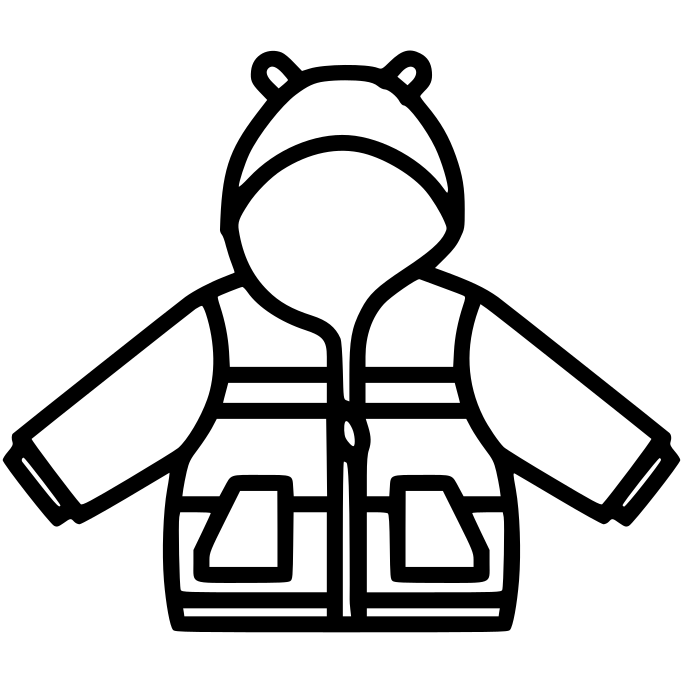
- Hooded jackets: the hood covers the head and ears, which is useful in windy weather.
- Bomber and denim-style jackets: popular for style, best for moderate cold.
- Reversible jackets: offer two looks in one piece and good value for money.
Best Fabrics for Baby Jackets
Fabric decides both comfort and warmth. Choose a winter jacket for babies that use materials which are soft and kind to the skin.
• Cotton: soft, breathable and suitable for sensitive skin. Often used as a lining.
• Fleece: warm, light and quick to dry. Check that it does not shed fluff.
• Wool and wool blends: excellent warmth, but make sure the feel is soft, not scratchy.
• Quilted polyester fill: traps heat well and stays light.
• Terry and sherpa linings: add extra cosiness for deep winter.
A jacket with a cotton lining is usually a safe choice, because the fabric touches the skin directly. Skin-friendly dyes and good stitching also matter. Seams should be flat, so they do not rub against the skin.
How to Choose the Right Size and Fit
Babies grow quickly, so parents often buy a size up. That is sensible, but going too large can reduce warmth and make movement awkward.
- Choose a Baby Jacket that allows room for a thin layer underneath.
- Check that the sleeves cover the wrists without hanging over the hands.
- Make sure the baby can move its arms freely without the jacket riding up.
- Look for stretchy cuffs that hold warmth without pinching.
- Avoid very tight neck openings, as they can be uncomfortable.
- Check the size chart by age, height and weight, since sizes differ between brands.
Safety Features to Look For
Safety should never be an afterthought with baby clothing.
- Smooth zippers with a fabric cover at the chin to prevent scratches
- Securely stitched buttons that cannot pull off easily
- No long drawstrings around the neck or hood
- Skin-friendly dyes that are free of harsh chemicals
- Flat seams that do not rub against the skin
- Flame-resistant or low-lint fabric, where available
For car seats, avoid very thick jackets. Bulky padding can stop the harness from fitting snugly. A thin warm layer with a blanket over the harness is a safer option.
Choosing by Age and Weather
The right jacket changes with the baby’s age and the local climate.
Newborn to 3 months
- Choose soft, lightweight and easy-to-wear pieces.
- Wide openings and front fastenings make dressing simpler.
- Keep the head covered with a cap or hood.
3 to 12 months
- Pick jackets with stretch and room for crawling.
- Hooded styles with cotton lining work well.
- Mittens and booties can complement the outfit.
1 to 3 years
- Toddlers move constantly, so durable fabric matters.
- Water-resistant outer layers help during play outdoors.
- Easy zippers help children begin dressing themselves.
For mild winters, a fleece or light quilted jacket is enough. For colder regions, Baby Jackets for cold weather with thick padding, a fleece lining and a hood give better protection. A winter jacket for babies that is windproof and water-resistant is also useful in areas with rain or snow.
Common Mistakes Parents Make
A few simple errors can make winter harder for the baby.
- Overdressing: too many layers cause sweating, which makes the baby colder later.
- Ignoring the lining: a warm jacket with a rough lining may cause rashes.
- Buying too big: loose jackets let cold air in.
- Choosing style over comfort: attractive pieces with stiff fabric are often left unused.
- Skipping the care label: wrong washing can ruin the fabric.
- Using thick jackets in car seats: this can affect harness safety.
How to Layer Your Baby in Winter
Layering works better than one very heavy piece.
- Base layer: a soft cotton vest or bodysuit.
- Middle layer: a sweater or fleece top.
- Outer layer: the jacket.
- Extras: cap, socks, mittens and a blanket.
A simple check is to feel the back of the baby’s neck. If it feels warm and dry, the baby is comfortable. If it is sweaty, remove a layer. If it feels cold, add one.
A Note for Retailers and Bulk Buyers
If you run a kids’ clothing store, boutique or online shop, quality matters even more, because parents notice softness, stitching and size accuracy. Look for a Baby Jacket manufacturer and supplier who offers consistent fabric quality, clear size charts and child-safe finishing. Ask about colour options, minimum order quantity, packing and delivery time.
Conclusion
A good Baby Jacket is about comfort, safety and sensible warmth, not just looks. Check the fabric, fit and fastenings, dress the baby in layers and match the jacket to the weather. Small choices like a soft lining or a snug cuff make a real difference. If you are a retailer or parent looking for quality kidswear in bulk or for personal use, you can explore the collection at KidoFash, a manufacturer and supplier known for comfortable and well-finished children’s clothing.
Frequently Asked Questions
What is the best jacket for a newborn baby in winter?
How many layers should a baby wear in winter?
Is it safe for a baby to wear a puffer jacket in a car seat?
Which fabric is best for a baby winter jacket?
How do I know if my baby is too hot or too cold?
Can babies sleep in a jacket?
What size jacket should I buy for my baby?
How often should I wash a baby jacket?

Kido Fash
Kidofash, established in 2015, is a trusted wholesaler of baby and kids products. Our clothes, footwear, and other baby accessories are available in various colors, designs, and sizes.